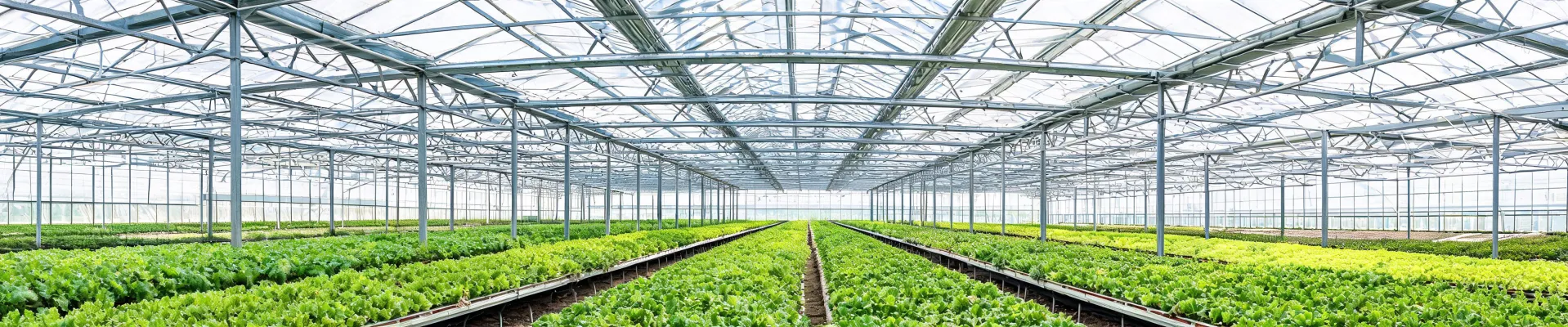
The first sticky afternoon in July tends to run the same script. Vents wide, fans at full, and the house still sits above the temperature the crop wants. By evening someone has ordered a bigger exhaust fan, and by August the same afternoon is happening again in a house with more horsepower on the wall.
Ventilation and evaporative cooling are two separate purchases. Ventilation swaps warm, moist inside air for drier outside air. Evaporative cooling lowers temperature by evaporating water into the airstream, and it raises humidity while it does it. A house that fails only during humid hours does not have a fan problem, and buying cooling for it adds the one thing it already has too much of. So the order of spending runs ventilation rate and shade first, cooling second, and this house's own record decides which of the two jobs is still undone.
The Fan Upgrade That Made the Afternoon Worse
Last July's first hot afternoon is where the fan orders come from, and the purchase answers one question only: how fast this house can exchange its air. Ventilation earns its place on three jobs. It brings inside temperature down on sunny days, it keeps carbon dioxide moving into the crop for photosynthesis, and it carries warm, moist air out while drier air comes in. That last job is the one growers underrate, because high humidity condenses on cool surfaces and tends to increase disease.
A bigger fan does not dry anything. It pulls more of the same wet air through the house faster, and on a still, humid afternoon the replacement air arriving at the intake is nearly as wet as what it pushes out. Here is the plain version: you bought horsepower, and the weather did not change.
Cooling is the other purchase. Once summer temperatures cannot be held where the crop needs them with reasonable ventilation rates and shading, evaporative cooling is the remaining option, and a fan-and-pad system takes out excess heat while adding humidity. Hot and dry is a pad conversation. Hot and wet is a ventilation and shade conversation, and the two should not be settled on the same page of a quote.
The Numbers to Write Down on Day One
Suppose the quote is still on the desk and nothing has been ordered. Day one is a clipboard, two thermometers and a humidity reading, inside and outside, taken at the same hours every day for a week: mid-morning, early afternoon, and the hour this house usually peaks. Write the vent position and the shade setting beside each pair of readings. A temperature with no note on vent position tells you nothing about what the house can still do.
The hypothesis behind the sheet is narrow. If vents and shade are already at their practical limit at the brightest, driest hour and the house still misses its target, airflow is no longer the limiting item, and the next question is whether the incoming air is dry enough to evaporate water. If the house misses only late on a humid afternoon with the vents already wide, airflow was not the whole story, and pads enter the conversation with a known cost attached.
This is a plan, not a result. Nothing on the sheet is a load calculation, and no supplier should be told it proves a size. What the paired readings describe is relative humidity, the term that expresses how much more water the air can take, and that is the number which decides whether a pad can do anything in this climate at all.
Why Pads Cool Best When the Air Comes In Dry
An evaporative cooling system moves air through a screen or spray of water so that water evaporates into the airstream. About 1,000 BTUs of heat are required to change 1 lb of water from liquid to vapor, and when that heat comes out of the air, the air is cooler. The unit chills nothing. It trades sensible heat for water vapor, and the trade only completes if the water actually evaporates.
How much evaporates depends on the air coming in. Dry air with low relative humidity takes up a lot of water and the house cools noticeably. Humid air is already carrying close to what it can hold, so the same pad, the same pump and the same fan produce a much smaller drop. The incoming air sets the ceiling, not the equipment.
What the house gains on the other side is moisture. A fan-and-pad system lowers temperature, raises humidity, cuts plant moisture loss, and with it the wilting and the watering. In a dry climate that is a benefit. In a humid one it is the problem the grower already had, arriving with a pump attached.
By the End of the First Week, Read the Log
By the end of the first week the sheet has a shape. If inside temperature tracks outside closely with vents wide and shade drawn, ventilation and shading have reached their limit and cooling becomes the candidate. If the house holds temperature but the glazing and the canopy stay wet, the undone job is ventilation: more exchange, better inlets, a shade strategy that does not trap moisture underneath it.
Those sticky, still afternoons do most of the deciding. When the house misses only in those hours, the log is pointing at moisture, not temperature, and a pad that answers the temperature question makes the moisture one worse. That is not a purchase to rush.
Use the sheet as a question, not a verdict. Take it to the supplier and ask what the quote does for the hours in the failing column, not for a catalogue example. A dealer who can answer against your own readings is worth the call; one who cannot is selling a box.
What Would Flip the Verdict on Cooling
Four conditions would send the cooling money back to the desk. High outside relative humidity during the failing hours is the first, because evaporation is greater when the incoming air is dry and the effect shrinks as the outside air gets wetter. A house already fighting condensation and disease is the second, because a fan-and-pad system adds humidity while it removes heat, trading one problem for the other.
Timing is the third. Evaporative cooling is the remaining option after reasonable ventilation rates and shade have been tried, so a cooling quote written before that comparison is premature. Water is the fourth: pads need a supply and they need upkeep, costs the hardware quote does not show, and a house that misses on a handful of afternoons a season is a different case from one that misses every day.
The guidance behind these conditions comes from Georgia extension work on greenhouse heating, ventilation and cooling, and it carries Georgia conditions with it. A Pennsylvania house runs a shorter, sharper summer with different humidity, which is why the log decides the purchase and the publication only sets the questions.
Next July, Run the Same Check Again
Next July the same afternoon arrives, and the house either behaves differently or it does not. Same sheet, same hours, now with whatever was bought in place. If the house holds its target at the bright, dry hour with vents and shade in the same position, the split was right and the next line in the budget is maintenance rather than hardware. If it still misses on humid afternoons, the money belongs in airflow, shade or a dehumidification plan, not in more pad area.
One action and one trade-off. For the next week, log inside and outside temperature and relative humidity at the same hours, note vents and shade beside each reading, then spend on whichever job the record says is undone. If the failing hours are already humid, keep the budget in airflow and shade and leave the pads on the shelf. The fans will still run next summer. The difference is that the log will say why.
